

Part 4: The Cigar Boom Begins — Cigar Aficionado Magazine Changes Everything (1992)
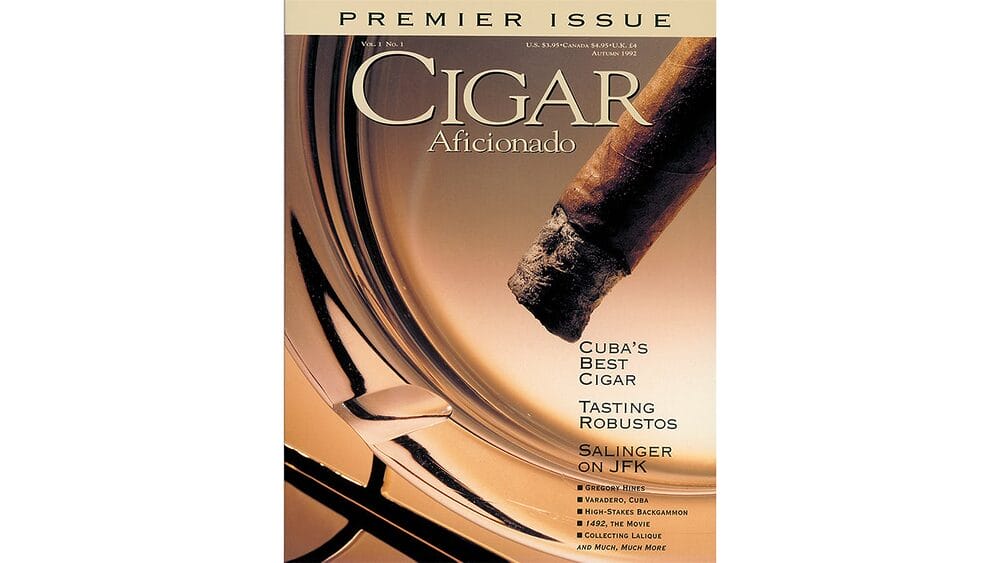
In the fall of 1992, a glossy, upscale magazine quietly launched and forever changed the way the world viewed cigars. Its name was Cigar Aficionado, and its timing couldn’t have been more perfect. With the Cold War officially over, the American economy on the rise, and the cultural tide shifting toward lifestyle and luxury, this publication captured lightning in a bottle. It didn’t just cover cigars—it elevated them to a symbol of achievement, taste, and power.
The brainchild of Marvin R. Shanken—publisher of Wine Spectator—Cigar Aficionado blended tobacco expertise with lifestyle journalism. From the beginning, it aimed to reach more than just cigar enthusiasts; it sought to rebrand cigar smoking as a sophisticated pursuit on par with collecting fine wines or driving exotic cars. The first issue featured Michael Jordan on the cover, immediately signaling that cigars were not relics of the past—they were modern, aspirational, and cool.
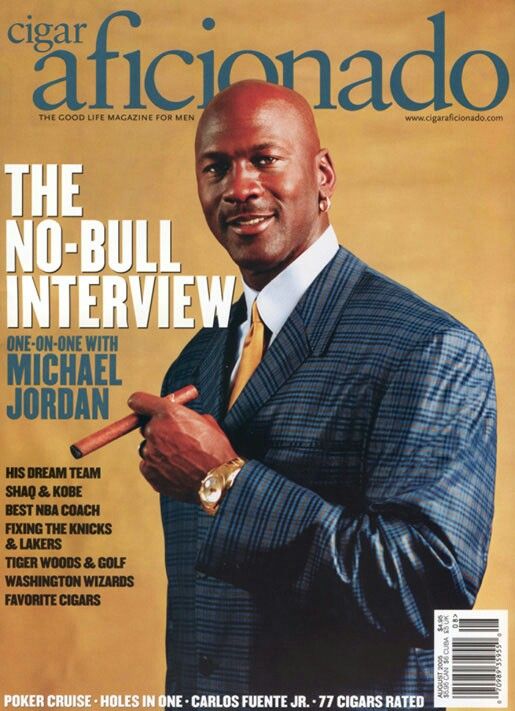
Cigar Aficionado was the first magazine to truly merge celebrity culture with cigar culture. Its pages featured interviews with actors, athletes, musicians, and politicians—all of whom openly embraced their love of cigars. From Arnold Schwarzenegger to Jack Nicholson and Sylvester Stallone, the magazine made it clear: cigars were back, and they were for winners. For the first time in decades, cigars were being celebrated in the mainstream—and in doing so, they attracted an entirely new demographic of younger, affluent readers.
More than just a cultural touchstone, the magazine served as an industry validator. Its cigar ratings—based on blind tastings and 100-point scales—quickly became the gold standard. Retailers and manufacturers alike scrambled to earn a spot on the coveted Top 25 list, knowing that a high score could send demand (and prices) skyrocketing overnight. The Cigar Aficionado stamp of approval became one of the most powerful endorsements in the premium cigar business.
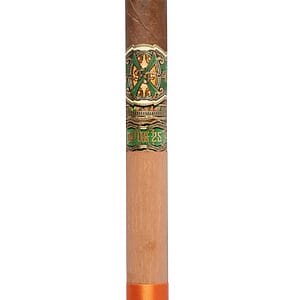
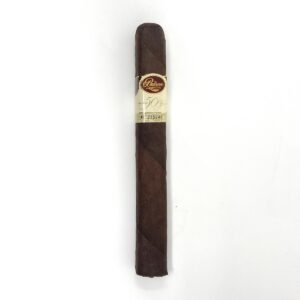
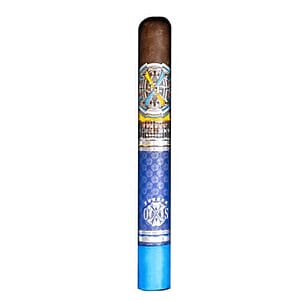
Cigar Aficionado magazine also played a vital role in educating the American public about non-Cuban cigars, which were flourishing in the wake of the Cuban embargo. By featuring brands from the Dominican Republic, Nicaragua, and Honduras, Cigar Aficionado helped shift the perception that only Cuban cigars were worth smoking. Brands like Padron, Arturo Fuente, Ashton, and La Gloria Cubana gained exposure and legitimacy, helping usher in what became known as the cigar boom of the 1990s.
During this boom, premium cigar sales in the U.S. more than doubled between 1992 and 1997. New cigar lounges, smoking clubs, and upscale humidors popped up in cities across the country. Cigars became part of business deals, social gatherings, and celebrations. For many, Cigar Aficionado was the gateway—turning a casual interest into a lifelong passion.
Beyond its commercial impact, the magazine helped cultivate a deeper appreciation for the artistry behind cigar making. Its in-depth features on tobacco cultivation, cigar factory tours, and interviews with master blenders gave readers a behind-the-scenes look at the craftsmanship involved. Smokers weren’t just lighting up—they were learning, tasting, and connecting with a global tradition.
By reframing cigars as a lifestyle—not just a product—Cigar Aficionado gave the premium cigar industry its modern identity. Thirty years later, the magazine remains a vital force, shaping tastes, influencing trends, and continuing to tell the stories of the people, places, and passion behind every puff.